Men’s Beanie Knit: A Buying Guide and Comparison
Selecting the right men’s beanie knit involves understanding your needs. Whether for warmth, style, or functionality, the right beanie can enhance your wardrobe. Key features to consider include material, fit, and style.
This guide compares popular men’s beanie knit styles and highlights common pitfalls to avoid during your purchase. By breaking down essential factors, you’ll be equipped to make an informed decision that meets your aesthetic and practical needs.
Understanding Your Needs: Choosing the Right Men’s Beanie Knit
Define the beanie’s intended purpose to narrow your options. For casual outings, prioritize style; for outdoor activities, focus on insulation and moisture-wicking capabilities.
Material is crucial. Wool offers warmth and breathability, ideal for colder climates. Synthetic fibers provide moisture resistance and quick-drying properties, beneficial for active use. Consider your local climate—milder areas may require lighter knits, while harsher winters need thicker options.
Fit matters too. A snug fit is essential for activities like skiing, while a looser fit suits a relaxed look. Assess your personal style and wardrobe compatibility. Think about colors and patterns that mesh with your existing outfits.
In summary, identify the beanie’s purpose, consider material and fit, and evaluate wardrobe compatibility to select the most suitable men’s beanie knit.
Comparison of Popular Men’s Beanie Knit Styles
Understanding the variety of styles can significantly impact your choice. Popular styles include cuffed, slouchy, and fitted beanies, each with distinct aesthetics and functionalities.
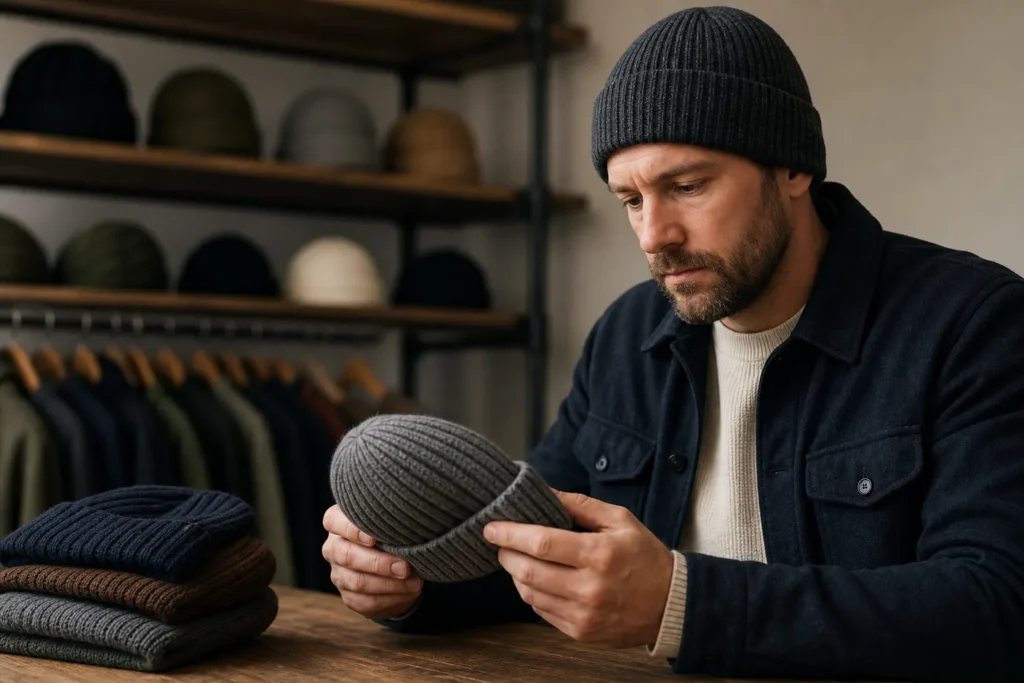
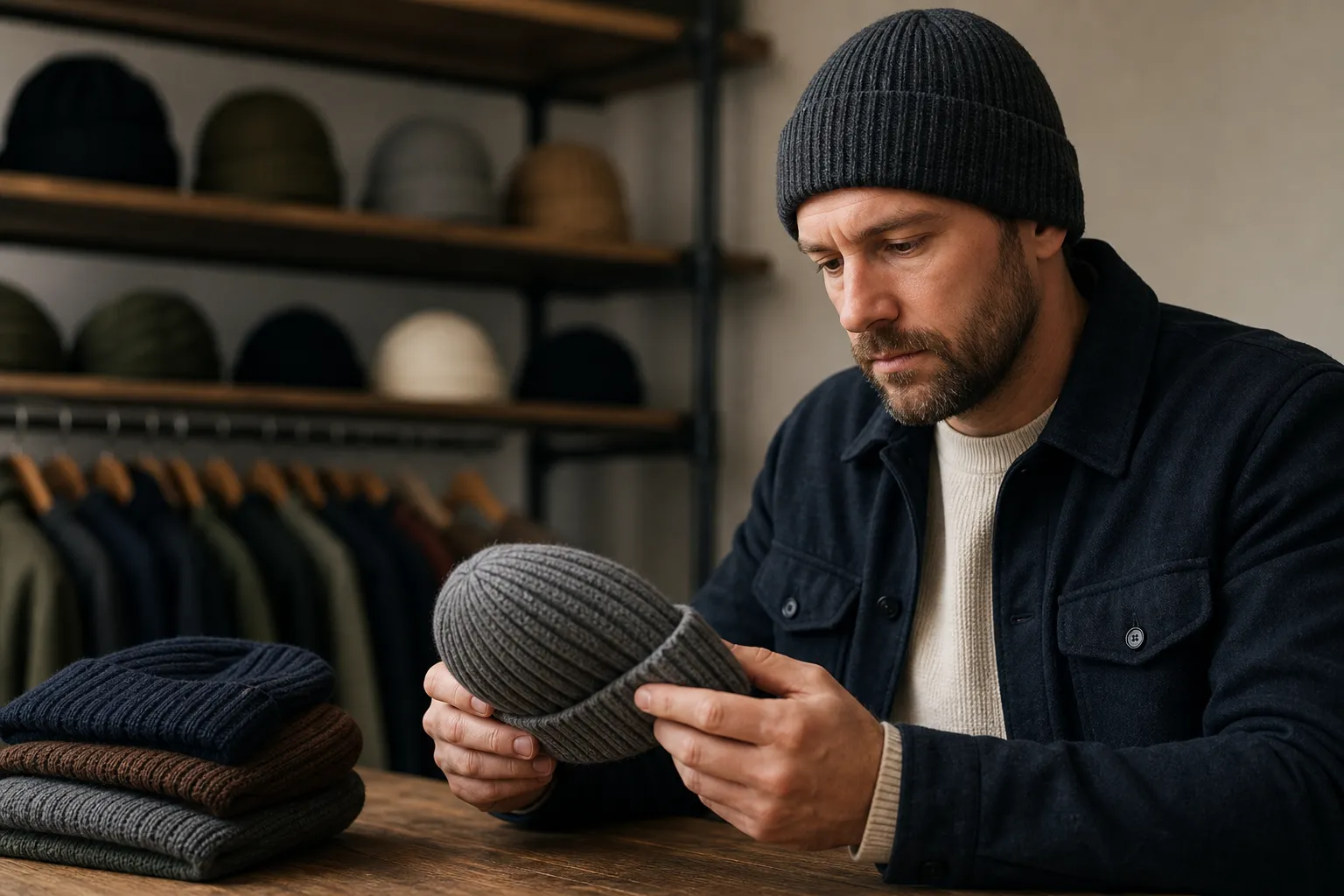
Cuffed Beanies: These feature a folded brim for a classic look and added warmth. They are versatile and adjustable for fit. Pros include staying in place and adaptability, while cons may include feeling restrictive for some.
Slouchy Beanies: With a relaxed fit, these allow the beanie to sag at the back. They are trendy and comfortable but may not provide as much warmth as cuffed options.
Fitted Beanies: Designed to hug the head tightly, they offer minimal wind resistance, ideal for active wear. However, they may not suit those who prefer a looser feel.
Materials: Wool beanies offer excellent insulation, while acrylic beanies are lightweight and budget-friendly. Blends provide durability and comfort.
Comparison Summary:
| Style | Pros | Cons |
|---|---|---|
| Cuffed | Versatile, secure fit | Can feel restrictive |
| Slouchy | Trendy, comfortable | Less warmth |
| Fitted | Minimal wind resistance | May not suit everyone |
Common Pitfalls When Buying Men’s Beanie Knits
Avoid critical factors that can lead to dissatisfaction. Common pitfalls include ignoring size charts, neglecting care instructions, and prioritizing trends over personal style.
Always consult the size chart. Beanie sizes vary between brands, and measuring your head circumference ensures a snug yet comfortable fit.
Review care instructions before purchasing. Materials like wool require specific washing methods to maintain shape. Ignoring these can lead to shrinkage or loss of elasticity.
Avoid selecting a beanie solely based on trends. Consider your typical outfits and occasions. A classic knit may be more versatile than a trendy design.
To avoid pitfalls, create a checklist:
- Check Size: Measure your head and refer to the size chart.
- Read Care Instructions: Understand maintenance needs.
- Assess Your Style: Choose a beanie that complements your wardrobe.
Frequently Asked Questions About Men’s Beanie Knits
Sizing
Men’s beanie knits come in various sizes. Measure your head circumference; standard sizes are small (20-21 inches), medium (21-22 inches), and large (22-23 inches). If in between, opt for a larger size as many knits stretch over time.
Care Instructions
Maintain your beanie for longevity. Check the care label; most can be hand-washed in cold water with mild detergent. Lay flat to dry to avoid losing shape. Avoid machine drying, as high heat can cause shrinkage.
Styling Tips
Layering a beanie enhances your look. In colder months, wear it over a fitted sweater or under a coat. In milder conditions, pair it with a denim jacket or flannel shirt. Choose colors that complement your outfit; neutral tones are versatile, while brighter colors can add flair.
Seasonal Considerations
Consider the season when purchasing. Thicker knits are better for winter, while lighter options suit transitional seasons. Think about how you plan to use the beanie—outdoor activities or stylish social gatherings.
Final Thoughts and Next Steps
Choosing the right men’s beanie knit requires careful consideration of your needs, style preferences, and features. Assess when you’ll wear the beanie, the climate, and preferred materials.
Explore local stores and online retailers. Trying on styles helps determine the best fit. Pay attention to construction and fabric quality for durability. If shopping online, check size guides and reviews for insights.
Avoid common pitfalls like ignoring care instructions or choosing a style that doesn’t match your wardrobe. A beanie should keep you warm and complement your look. Take time to compare styles, colors, and prices, and reach out to customer service with questions.
By being thoughtful in your selection, you can confidently choose a men’s beanie knit that meets your needs and enhances your style.
Frequently Asked Questions
What materials are best for men’s knit beanies?
Wool is warm and breathable, while acrylic is lightweight and affordable. Blends can offer the best of both worlds.
How do I choose the right size for a beanie?
Check the size chart and measure your head circumference for the best fit.
Can I wear a beanie in summer?
Choose lightweight, breathable materials for summer wear.
How do I care for my knit beanie?
Follow the care label; most can be hand-washed or machine-washed on a gentle cycle. Air dry to maintain shape.
What styles of beanies are trending right now?
Slouchy and cuffed beanies are popular, but classic styles remain timeless.
#选购/选择指南与对比清单