Knitted Hat RFQs: Define Long Alpaca Wool
For wholesale adult knitted hats, ask the supplier to translate “Long Alpaca Wool” into a specific yarn declaration before approving product copy. Request the fibre names and percentages, the hat components covered, and the exact sample or production reference. A photograph, a listed 110g unit weight, and a “Washed” process entry serve different purposes; they do not establish a fibre composition. Keep the confirmed declaration beside the agreed sample so purchasing, inspection, and retail teams use the same description.
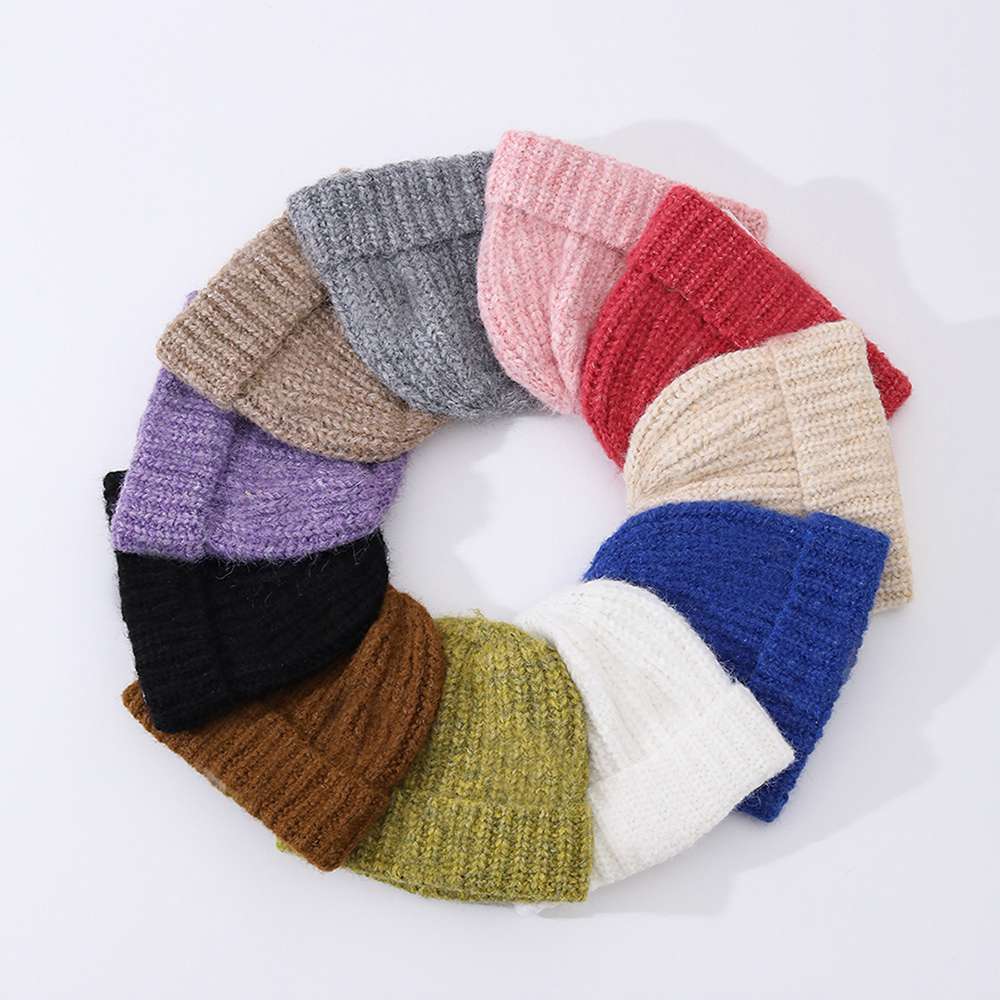
Supplier gallery reference for Knitted Hat–1. The visible colour assortment illustrates catalogue appearance; it is not an approved fibre declaration or confirmed colour supply schedule.
Start with the actual material wording
The Knitted Hat–1 listing uses the material description “Long Alpaca Wool.” It also lists a 56–58cm head circumference, a 110g unit weight, and a washed process. These entries help identify the catalogue item, but the material field needs a more precise explanation for a purchase specification. Ask whether the phrase is the supplier’s yarn name, a general material description, or wording taken from a particular yarn document.
Begin the enquiry with that exact phrase and the product URL. Attach a picture of the selected hat rather than sending an isolated request for “alpaca beanies.” This gives the supplier a concrete reference and prevents a reply about another construction. The immediate deliverable is a completed declaration for the quoted version, with unresolved fields clearly identified.
Separate composition from the yarn’s name
A useful response states each fibre name and its percentage on a defined basis. If the supplier gives a yarn trade name, ask for the composition behind it. Keep the original catalogue wording in one field and the supplier’s expanded declaration in another. That preserves traceability without forcing a buyer’s interpretation into the source description.
Requested field
Practical supplier response
Buyer use
Catalogue wording
Long Alpaca Wool, linked to Knitted Hat–1
Identify the starting description
Declared fibres
Named fibres and percentages, or an explicit open item
Draft a precise material specification
Component scope
The parts of the hat covered by the declaration
Avoid applying one yarn statement to every part
Reference basis
Sample code, yarn reference, document date and version
Connect the answer to the quoted item
Where percentages are supplied, check that their stated basis is understandable before comparing quotations. A percentage without a component reference may be difficult to use. Return a specific question about the missing basis instead of silently completing the declaration yourself.
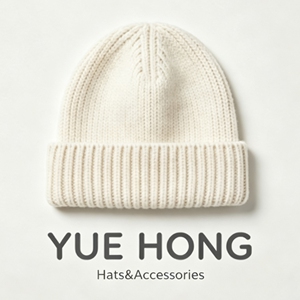
Cream hat catalogue view. The visible knit and surface texture help identify a sample, while fibre names and percentages require separate supplier documentation.
Ask which parts of the hat are covered
The declaration should identify the main knitted body and explain whether any other yarns, sewing threads, labels, or added parts are treated separately. Do not assume that such parts exist; ask the supplier to describe the actual construction. If the same yarn is used throughout, request that statement directly. If several yarns are used, ask for a simple component map.
This distinction matters when a merchandising team shortens a detailed purchasing description. “Main knitted body” and “entire finished hat” are different scopes. Carry the agreed scope into the internal product record so a later copy edit does not broaden it. Any market-specific labelling wording can then be reviewed against the confirmed product information.
Keep weight and washing in their own fields
Record the listed 110g as the supplier’s unit-weight entry. If weight is important to the quotation, ask for its measurement basis separately. It is not a method for calculating the amount of alpaca fibre: that calculation would require a confirmed composition and a matching weight scope.
Likewise, retain “Washed” as the catalogue process wording and ask what stage it describes. A manufacturing process entry and the finished product’s care instructions answer different questions. Obtain care guidance for the selected construction instead of deriving it from this single word. Keep those answers alongside the material declaration, with separate approval fields.
Purple hat catalogue view from the same listing. Colour and texture are appearance references, rather than evidence of fibre content or production equivalence.
Connect the declaration to a physical sample
Use a sample code that appears on the supplier’s reply, the sample bag, and the buyer’s evaluation record. Photograph the received sample with its identifier and record the chosen catalogue colour. The gallery can help locate a candidate appearance, but a colour photograph alone cannot establish the fibre mix or the consistency of a future order.
Ask which yarn reference and material document belong to the supplied sample.
Record who issued the declaration and the date of the reply.
Agree how a proposed yarn substitution will be presented for approval.
Keep the approved wording and sample reference together when requesting a repeat quotation.
If supporting evidence is needed for a particular selling claim, define that evidence request before approving the claim. The purchasing team can then decide whether the available documentation is sufficient or whether another verification step is needed. Avoid treating a generic yarn brochure as a document for the exact hat unless the supplier makes the connection.
Send a short, answerable supplier enquiry
A focused message can ask: “For Knitted Hat–1, please explain the material entry Long Alpaca Wool. Provide the declared fibre names and percentages, identify the hat components covered, and link the answer to the quoted sample and yarn reference. Please mark any information still to be confirmed.” This keeps the enquiry centred on a tangible purchasing decision.
Send the selected gallery reference and required declaration fields through the supplier contact page. For broader buying context, the hat and accessory articles can help organise an enquiry, while the actual product response supplies the version-specific information.
Frequently asked questions
Does Long Alpaca Wool mean pure alpaca?
The listing does not provide a percentage declaration. Ask the supplier to define the phrase and state the fibre composition and component scope for the quoted version.
Can the gallery confirm the material?
It can support appearance identification. Use a supplier declaration and any agreed supporting evidence for composition, linked to the selected sample rather than to a similar photograph.
What if a supplier proposes a different yarn?
Request the revised composition, affected components, sample reference, and quotation version before approval. Compare the changed information with the original specification and keep the decision attached to the order.
Adult knitted hatsMaterial declarationsB2B purchasing