Choosing the Right Knit Beanie Pattern: A Guide
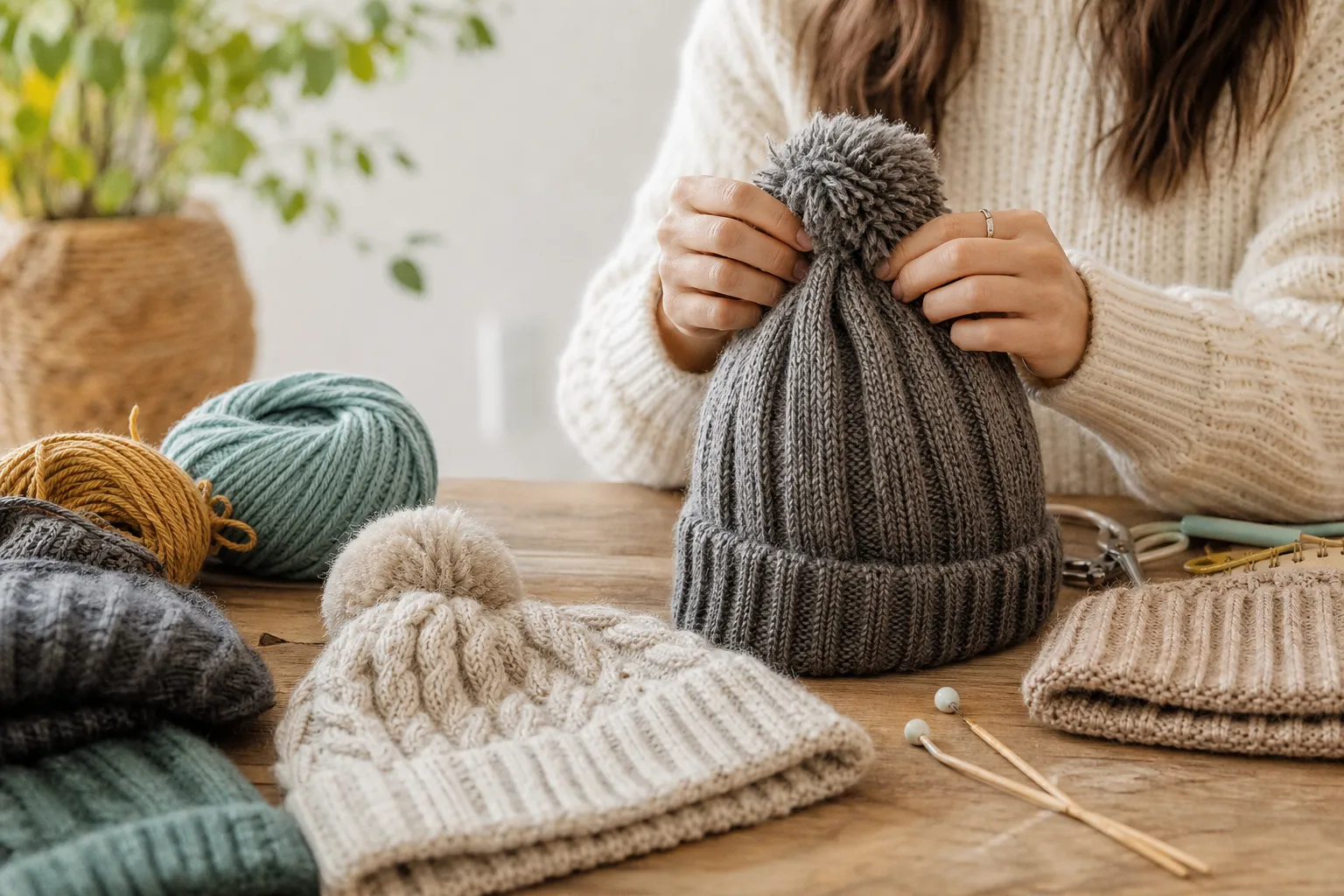
Choosing the right knit beanie pattern can significantly impact your crafting experience. Whether you are a novice or an experienced knitter, understanding the variety of patterns available is essential. The right pattern will suit your skill level and align with your desired style and functionality.
How to Choose the Right Knit Beanie Pattern
Start by assessing your skill level and style preferences. Beginners should look for patterns labeled as easy, featuring straightforward stitch instructions and minimal color changes. Intermediate and advanced knitters can explore more complex designs with varied stitch patterns or colorwork.
Next, consider the yarn type. Different yarns affect the final look and feel of your beanie. Wool provides warmth, while cotton offers breathability. Check the pattern’s yarn recommendations to ensure they align with your desired characteristics.
Sizing is critical. Most patterns include sizing charts specifying circumference and height. Measure your head accurately to ensure a comfortable fit, factoring in any intended stretch from the yarn and stitch pattern.
Prioritize patterns with clear instructions and visual aids. Detailed photos or diagrams clarify complex techniques, reducing mistakes. Read reviews or user comments to gauge a pattern’s clarity and reliability.
Avoid common pitfalls, such as choosing patterns that don’t match your skill level or yarn availability. If a pattern calls for an expensive yarn, consider alternatives within your budget. By following these steps, you can confidently select a knit beanie pattern that suits your abilities and style.
Comparison of Popular Knit Beanie Patterns
Understanding the distinctions among popular knit beanie patterns can influence your choice. Here’s a comparison based on complexity, materials, and finished appearance:
- Basic Knit Beanie: Ideal for beginners, requiring basic stitches and minimal shaping. Materials include worsted weight yarn and straight or circular needles. Expect a simple, classic look.
- Cabled Knit Beanie: For those with some experience, this pattern involves intricate stitch work, requiring a cable needle. The result is a stylish, textured design.
- Slouchy Beanie: A trendy option for intermediate knitters, often incorporating varying stitch patterns. It may require both worsted and lighter yarn for the desired drape.
- Colorwork Beanie: Advanced knitters may consider this pattern, which demands proficiency in handling multiple yarns. It often results in a vibrant, eye-catching design.
Common Mistakes to Avoid When Selecting Patterns
Avoiding common mistakes can lead to a more satisfying crafting experience. One frequent pitfall is opting for overly complex patterns. Beginners should choose simpler designs that build essential skills. Gradually incorporate intricate techniques to enhance confidence.
Disregarding yarn recommendations is another mistake. Each pattern suggests specific yarn types crucial for achieving the intended look. Always cross-reference the yarn specified in the pattern with what you intend to use.
Gauge swatches are vital, yet many knitters overlook them. Failing to knit a gauge swatch can lead to discrepancies in size. Measure your gauge accurately before starting to ensure it aligns with the pattern’s specifications. Adjust your needle size if necessary.
In summary, be mindful of your skill level, yarn choices, and the importance of gauge swatches. By avoiding these mistakes, your knitting journey can be more enjoyable and successful.
Frequently Asked Questions About Knit Beanie Patterns
What materials do I need for knitting a beanie?
Typically, you will need yarn, knitting needles, a measuring tape, and possibly a stitch marker.
How do I adjust a pattern for a different size?
To adjust for size, modify the number of stitches cast on and the length of the beanie based on gauge.
Where can I find quality knit beanie patterns?
Check reputable knitting websites, local yarn shops, or knitting books for a variety of patterns.
Can I use any yarn for my beanie pattern?
Not all yarns are suitable. Always refer to the pattern’s yarn recommendations for the best results.
What are the best stitch patterns for beginners?
Beginner-friendly stitches include garter stitch, ribbing, and stockinette, which are easier to manage.
#选购/选择指南与对比清单